5 min read
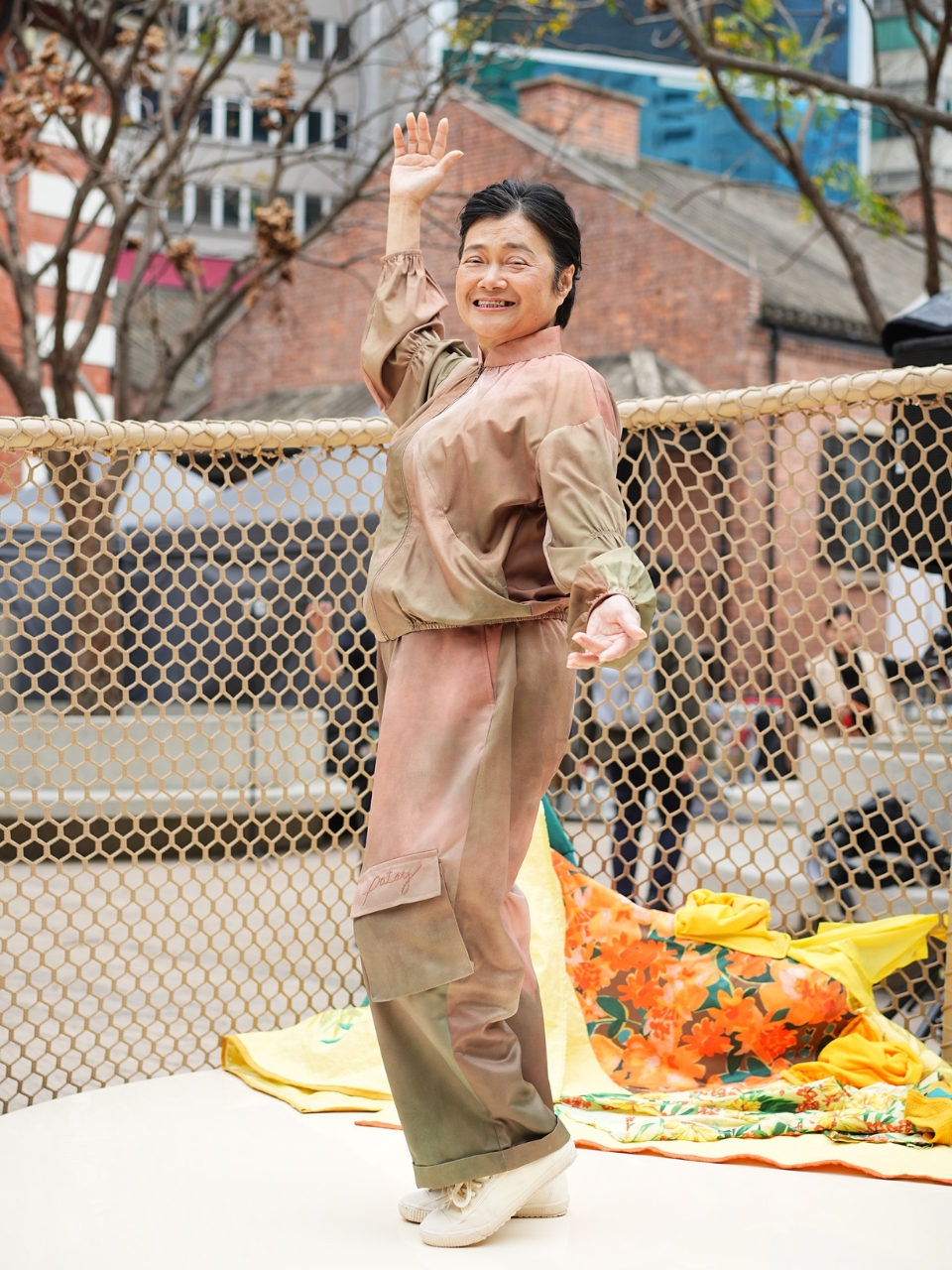
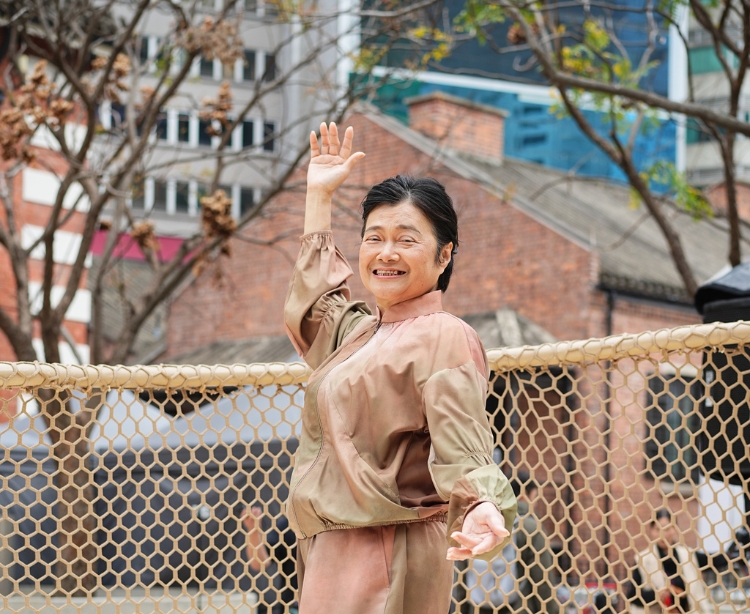
Ng Suet-ha, a visually impaired participant, says, “Through accessible design and inclusive creativity, everyone can shine on the stage of art.”
Before heading out each day, many of us pause in front of a mirror to check if we look presentable. But without relying on sight, how does one know if they are “well dressed”? And how can confidence be built from within? We often depend on vision to recognise beauty, yet overlook that beauty does not have to be confined to what we see. It can be heard with sensitivity and felt through touch. The emotions and inspiration brought by art should never be limited by physical ability. Guided by this belief, The Hong Kong Jockey Club and the Hong Kong Arts Festival present the No Limits, offering people like Suet-ha the opportunity to express a vitality that goes beyond the senses.
Suet-ha brings remarkable enthusiasm to life. Looking back, she has taken part in various performances such as tai chi sword demonstrations, building rich stage experience and telling her own stories through movement. During one performance, members of the No Limits creative team attended and witnessed her passion for the arts first hand. After the performance, the team immediately invited her to take part in a new show that blends dance and costume design: "In Touch We Trust".
Costume designer Kadri Keung had previously designed clothing mainly for wheelchair users. Designing for visually impaired performers, however, was a completely different experience. “It is no longer just about making garments easy to wear, but about enabling people to feel beauty at a psychological level,” she explained. She began her creative process by listening carefully and understanding Suet-ha’s daily life, personality and preferred colours. Each piece incorporates details unique to the performer. “Rather than defining a so-called ‘correct’ way to wear the clothes, we create possibilities so that however the dancers choose to wear them, it is still beautiful.”
When Suet-ha puts on the costume tailored for her, even though she cannot see its design or colours, she feels a sense of security and confidence through its weight and texture. This “tangible sense of beauty” adds a warm and human dimension to the No Limits.
Costume designer Kadri Keung had previously designed clothing mainly for wheelchair users. Designing for visually impaired performers, however, was a completely different experience. “It is no longer just about making garments easy to wear, but about enabling people to feel beauty at a psychological level,” she explained. She began her creative process by listening carefully and understanding Suet-ha’s daily life, personality and preferred colours. Each piece incorporates details unique to the performer. “Rather than defining a so-called ‘correct’ way to wear the clothes, we create possibilities so that however the dancers choose to wear them, it is still beautiful.”
When Suet-ha puts on the costume tailored for her, even though she cannot see its design or colours, she feels a sense of security and confidence through its weight and texture. This “tangible sense of beauty” adds a warm and human dimension to the No Limits.

Eddy Chin, Director of No Limits, points out that the most critical step in the creative process is to truly understand the needs and abilities of people of different capacities, and to challenge common stereotypes. In this setting, sighted facilitators are no longer one-way instructors, and visually impaired participants are not merely recipients. “Everyone can contribute with their own abilities,” he said. Through collaboration, participants translate each other’s sensory worlds, creating meaningful and inclusive dialogues.
To help performers become familiar with the 19-metre-wide stage, the team created a 3D-printed model. By tracing it with their fingers, dancers could construct a spatial understanding of the stage in their minds. Often, barriers do not lie within individuals, but within the environment. When a safe and inclusive space is created, performers can move freely and demonstrate an impressive sense of spatial awareness. This freedom lies at the heart of what No Limits values and promotes.
The performance also challenges conventional ideas about clothing. A set of experimental “wow costumes” was created, with no fixed front or back, and even designed to be worn by multiple people at once. They symbolise a state of openness and freedom, echoing the fluid and shared nature of the production.
When experiencing the performance, audiences are invited to rely less on sight and instead engage their other senses. Listen closely to the rhythm of movement, feel the air stirred by the dancers, or imagine the texture of fabric in motion. Each shift in perception becomes a chance to rediscover the world, reflecting No Limits’ aim of bringing people closer to the arts.
As a partner, we have long worked with the Hong Kong Arts Festival to support outreach initiatives that connect people through the arts. Through shared creation and collaboration, these efforts encourage society to embrace differences and foster a community that values inclusion and diversity.
To help performers become familiar with the 19-metre-wide stage, the team created a 3D-printed model. By tracing it with their fingers, dancers could construct a spatial understanding of the stage in their minds. Often, barriers do not lie within individuals, but within the environment. When a safe and inclusive space is created, performers can move freely and demonstrate an impressive sense of spatial awareness. This freedom lies at the heart of what No Limits values and promotes.
The performance also challenges conventional ideas about clothing. A set of experimental “wow costumes” was created, with no fixed front or back, and even designed to be worn by multiple people at once. They symbolise a state of openness and freedom, echoing the fluid and shared nature of the production.
When experiencing the performance, audiences are invited to rely less on sight and instead engage their other senses. Listen closely to the rhythm of movement, feel the air stirred by the dancers, or imagine the texture of fabric in motion. Each shift in perception becomes a chance to rediscover the world, reflecting No Limits’ aim of bringing people closer to the arts.
As a partner, we have long worked with the Hong Kong Arts Festival to support outreach initiatives that connect people through the arts. Through shared creation and collaboration, these efforts encourage society to embrace differences and foster a community that values inclusion and diversity.

Did you know?
To ensure that people of all abilities can enjoy and participate in the arts, we and the Hong Kong Arts Festival present the No Limits. Since its launch in 2019, the programme has promoted inclusive arts through music, dance, theatre and film.
In addition to performances, it provides accessible services such as tactile tours, audio description, sign language interpretation and Braille programmes. It also supports community outreach and education initiatives, extending the spirit of inclusion into everyday life.
In addition to performances, it provides accessible services such as tactile tours, audio description, sign language interpretation and Braille programmes. It also supports community outreach and education initiatives, extending the spirit of inclusion into everyday life.


5 min read
Artist Inkgo says, “My mission is to breathe life into bamboo, to help the public to appreciate bamboo craftsmanship and to pass on this craftsmanship to future generations.”